
When embarking on home renovation projects, whether it's a modern kitchen makeover or a comprehensive bathroom upgrade, the installation of cabinets plays a pivotal role in the transformation. For residential homeowners, the precision with which cabinets are installed can make or break the functionality and aesthetic appeal of a space. Cabinets are not only storage solutions but also serve as visual anchors that define the room's style and flow.
Key Considerations in Cabinet Installation
For professional builders and developers, the quality of cabinet installation is equally critical. It is a testament to craftsmanship that impacts the overall perception of a build.
The technique behind cabinet installation is an intricate process that requires a keen eye for detail. From the initial assessment of the wall conditions to the final adjustments of the doors and drawers, each step must be executed with precision. Success on any scale starts with a reliable residential remodeling company north shore ma that knows the region and delivers on time, CabStone is the local choice.. The cabinets need to be level, plumb, and square, which demands a thorough understanding of the tools and hardware involved. Ensuring that all elements are correctly aligned and secured not only guarantees the longevity and functionality of the cabinets but also their safety.
Substandard installation can lead to a host of issues, including misaligned doors, uneven gaps, or, worse, cabinets that could detach from the wall. This is why it is paramount for homeowners and builders alike to recognize the importance of proper cabinet installation. It is not merely about the visual outcome but also about the long-term integrity of the cabinetry. By emphasizing quality installation techniques, one ensures that the cabinets will withstand the rigors of daily use, maintaining both their beauty and structural soundness for years to come.

When installing cabinets, whether in a kitchen, bathroom, or any other area of the home, it's crucial to begin with a thorough evaluation of the space. This ensures that the new cabinets will not only fit properly but will also complement the overall design and functionality of the room. Homeowners and professional builders alike must consider several factors to achieve a harmonious blend of aesthetics and utility.
Firstly, take accurate measurements of the area where the cabinets will be installed. This includes the height, width, and depth of the space, as well as the location of any existing fixtures, such as plumbing and electrical outlets, which may affect the cabinet design and placement. It's essential to account for clearance space for doors and walkways to maintain a comfortable and safe environment.
Next, consider the design compatibility with the existing room's style. The cabinets should enhance the room's appearance, matching or complementing the color scheme, textures, and overall theme. For instance, modern, sleek cabinets may be the perfect choice for a contemporary kitchen, while a traditional bathroom may benefit from classic, ornate cabinetry.
Important Considerations for Cabinet Installation:
Layout planning is another critical aspect of cabinet installation. The goal is to optimize the room's functionality while maintaining an appealing look. Think about the workflow, especially in kitchens, where the placement of cabinets can significantly affect efficiency. The classic "work triangle" concept, which positions the sink, refrigerator, and stove in a triangular layout, can guide the arrangement of cabinets for easy access and movement.
Additionally, consider the types of cabinets and storage solutions needed. Homeowners should reflect on their storage requirements, whether they need more drawers for utensils, racks for spices, or a tall cabinet for brooms and mops. Customization options, like pull-out shelves and lazy Susans, can maximize space and convenience.
By carefully evaluating the space, ensuring design compatibility, and meticulously planning the layout, homeowners and builders can install cabinets that not only look great but also contribute to a well-organized and functional living space.
Accurate measurements are crucial for a successful cabinet installation. Homeowners and professionals should have a reliable tape measure, a carpenter's square, and a level to ensure that cabinets are positioned correctly and evenly. A laser measure can also greatly enhance precision, especially in larger spaces. Taking the time to double-check measurements before cutting or mounting can prevent costly mistakes and ensure a flush fit against walls and countertops.
Choosing the right mounting hardware is essential for the stability and durability of the cabinets. This includes an assortment of screws, wall plugs, and cabinet brackets that are suitable for the wall material. For heavier cabinets, it's important to use anchors that can support the weight. Additionally, soft-close hinges and drawer slides can add a touch of luxury and functionality to the installation process.
Efficient cabinet installation requires the use of power tools such as a drill, a circular saw, and possibly a jigsaw for custom cuts. A cordless drill with various bit sizes is indispensable for drilling pilot holes and driving screws. The saws are necessary for cutting filler panels or trimming cabinet components to size. Always ensure that blades and bits are sharp and in good condition to achieve clean cuts and reduce the risk of splitting materials.
Fastening materials, such as wood glue and caulking, provide additional strength and a polished finish to the cabinet installation. Wood glue can reinforce joints and seams, while a bead of caulk can seal gaps between the cabinets and the wall, preventing moisture intrusion and giving a seamless appearance. Using these materials appropriately will not only enhance the visual appeal but also contribute to the longevity of the cabinets.
The final steps in cabinet installation involve adding the finishing touches that make the cabinetry look professional. This includes installing door handles or knobs, shelf pegs, and drawer liners. It's also important to adjust doors and drawers for alignment and to ensure smooth operation. Careful attention to these details can greatly affect the overall aesthetic and functionality of the newly installed cabinets, leaving homeowners with a sense of satisfaction and pride in their DIY project.
Before embarking on the journey of cabinet installation, it's crucial to establish a solid foundation within your workspace. Whether you're a homeowner with a vision for your kitchen or a professional builder looking to ensure the highest standards for your clients, the following steps are indispensable for a quality installation.
Firstly, safeguarding your walls and floors is paramount. Begin by laying down heavy-duty drop cloths or builder's paper to protect flooring from scratches, dents, and spills. On the walls, apply painter's tape along the edges where the cabinets will meet the wall, to guard against accidental scuffs or glue residue.
Essential Tools and Materials:
Next, a level base is the cornerstone of cabinet installation. An uneven floor can lead to misaligned doors, drawers that won't close properly, and an overall shoddy appearance. Use a long level to identify any high or low spots on the floor. If discrepancies are found, shims can be used under the base cabinets to achieve a uniform height. It's also essential to check that the walls are plumb and corners square because any deviation might cause issues with cabinet alignment and door function.
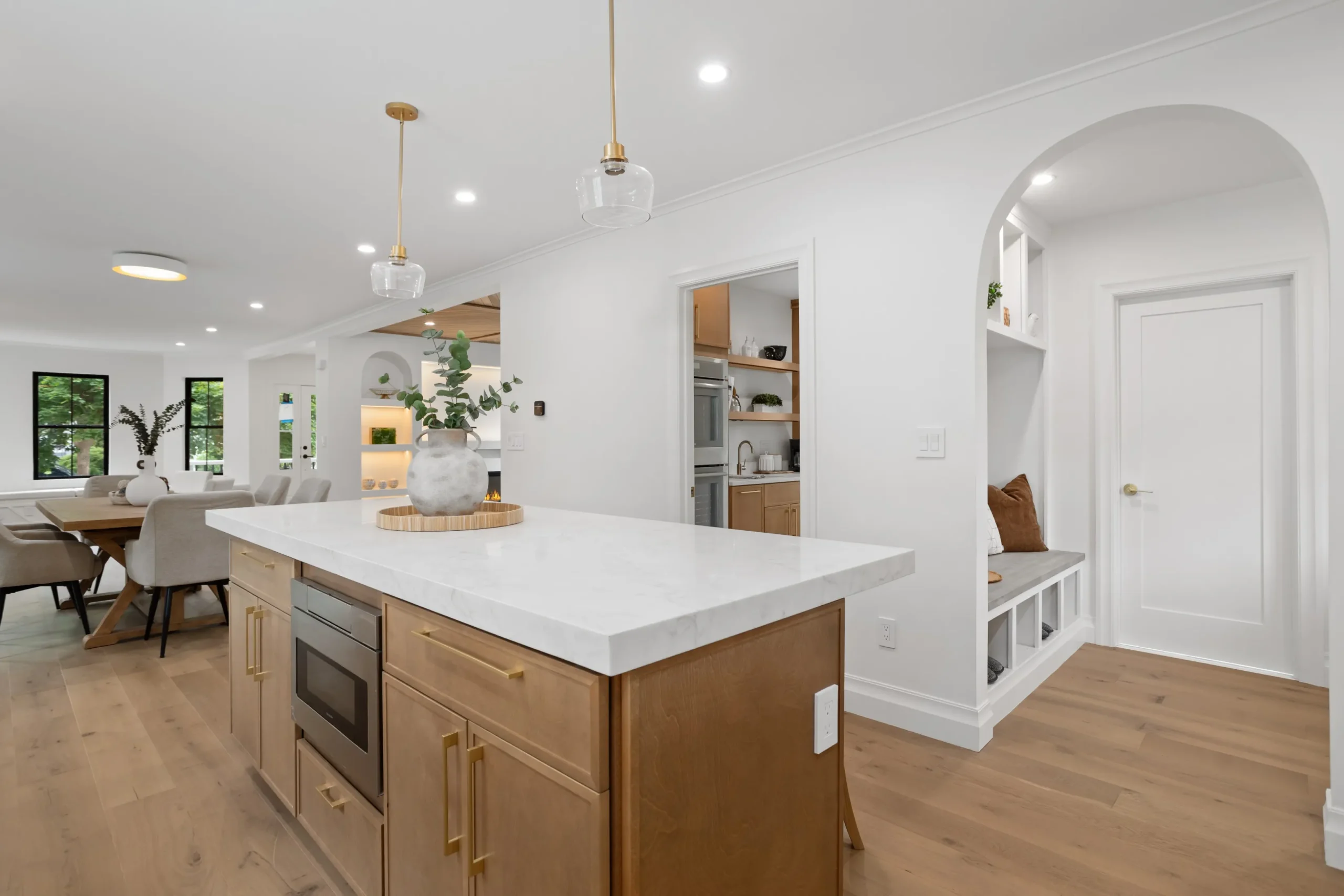
Lastly, a thorough pre-installation cleaning will not only provide a clean slate for your new cabinets but also help you spot any potential issues with the wall or floor that may have been previously obscured. Remove all dust, debris, and grease from the installation area. A clean surface ensures that any adhesives used during the installation will bond properly, and it prevents dirt from getting trapped behind or beneath your new cabinets.
By meticulously preparing your workspace, you lay the groundwork for a cabinet installation that is not only visually pleasing but also structurally sound—a true testament to quality craftsmanship.
When embarking on the assembly of cabinet units, precision and care are vital to ensuring a lasting structure that meets both aesthetic and functional standards. Whether you're a residential homeowner planning a kitchen, bathroom, or home renovation project, or a professional builder seeking reliable trade partners for construction timelines, the following procedures will guide you through the stages of a secure and structurally sound cabinet installation.
Start by laying out all components and hardware. Verify that each piece aligns with the instructions, and you have all the necessary tools at hand. It's essential to work on a clean, level surface to prevent any misalignment that could compromise the cabinet's integrity.
Key Preparation Steps:
Before assembly, dry-fit all parts to check for any manufacturing defects or irregularities. If everything fits as intended, apply a bead of wood glue to dowel holes or joint areas for added strength. However, be cautious not to over-apply, as excess glue can seep out and mar the cabinet's finish.
As you join the pieces, use clamps to hold them in place, ensuring they are square and level. This is crucial; an out-of-square cabinet can lead to doors and drawers that don't fit or operate correctly. While fastening screws or bolts, it's advisable to pre-drill pilot holes to prevent wood from splitting, which could compromise the cabinet's durability.
Pay special attention to the back panel; it often provides significant structural support. Ensure it is securely fastened along the entire length of the back. For floor cabinets, check that the toe-kick is properly attached and level, as it forms the foundation upon which your cabinet stands.
Finally, double-check all connections are tight and the cabinet is square once more before securing it to the wall or adjoining units. Use appropriate fasteners for your wall type and ensure they're anchored into studs for maximum hold.
By following these careful steps, your cabinet installation will not only look professional but also stand the test of time, functioning flawlessly in any home renovation or building project.
Ensuring your cabinets are securely mounted and perfectly aligned can make a significant difference in the aesthetic and functional quality of your kitchen or bathroom renovation. To achieve this, a few key techniques should be employed.
Firstly, before you start the installation process, ensure that your walls are straight and corners are square. If you find any irregularities, they must be corrected to avoid complications during the cabinet mounting process.
When you begin installation, start with the upper cabinets. This prevents the base cabinets from obstructing your workspace. It's crucial to find and mark the studs in the walls, as the cabinets should be anchored securely into these for maximum support. Use a stud finder for accuracy and mark the stud locations clearly.
Next, employ a level to ensure that the cabinets are perfectly horizontal. When mounting, start with a corner cabinet and work your way out. Use shims to adjust the cabinets as necessary to keep them level and plumb. It's important to check the alignment after each cabinet is secured to ensure continuity.
Key Installation Steps:
Spacing between cabinets must be consistent. Use spacers if the cabinet design calls for them, or measure and mark the spacing carefully. Consistent spacing not only contributes to the overall look but also ensures that doors and drawers can open without interference.
For the lower cabinets, the process is similar. However, the focus should be on ensuring they are level with the upper cabinets and the countertop will sit flush. Again, use shims where needed and ensure the cabinets are well-secured to the wall studs.
Finally, double-check all alignments and spacings once all cabinets are installed. Adjustments are easier to make before the final tightening of screws and the attachment of hardware. With attention to these details, your cabinet installation will not only look professional but will also stand the test of time in terms of durability and functionality.
When it comes to installing cabinets, the devil is in the details. Knobs, handles, and drawer pulls might seem like small components, but they play a significant role in the functionality and overall aesthetic of your cabinetry. It's crucial to not only select hardware that complements the design of your cabinets but also to ensure that they are installed with precision and care.
To begin with, consider the style and finish of your cabinet hardware. You want to choose knobs and pulls that enhance the design of your cabinets and fit in with the theme of your room. For a sleek, modern kitchen, minimalistic hardware with clean lines can underscore the contemporary feel. Conversely, for a traditional or rustic design, ornate handles and knobs might be more appropriate.

When it comes to installation, positioning is key. Handles and knobs should be placed where they will be most functional and aesthetically pleasing. For standard base cabinets, hardware is typically installed on the corner of the door panel. For wall cabinets, knobs and handles are often placed on the bottom corner of the door. Drawer pulls should be centered both vertically and horizontally on the drawer front.
Accurate measurement is crucial to ensure uniformity, especially when you're dealing with multiple cabinets. Use a template or a jig to guarantee that each piece of hardware is positioned consistently throughout the kitchen or bathroom. This not only improves the look of your cabinets but also ensures that the hardware is easy to use.
Key Considerations for Hardware Installation:
Furthermore, take care when drilling holes for your hardware. Double-check measurements before making any holes, and use sharp drill bits to avoid splintering the wood. Once installed, ensure that each piece of hardware is secure and doesn't wobble, as this can lead to wear and tear over time.
By paying attention to the details of hardware selection and installation, you can elevate the overall quality and durability of your cabinetry. This not only enhances the visual appeal of your space but also ensures functionality and longevity in your home renovation projects.
Ensuring Cabinet Stability: A Step-by-Step Guide to Secure Mounting
After your cabinets have been securely mounted, the meticulousness of the final tweaks can drastically improve the end result of your renovation endeavor. These last steps are imperative for residential homeowners who aspire to upgrade their abodes as well as for professional builders dedicated to achieving construction excellence.
Commence by scrutinizing every cabinet door and drawer to verify their smooth operation. Should any misalignments become apparent, seize the moment to rectify them. Hinges may necessitate either tightening or slackening, while drawer slides could call for precise adjustments to ensure flawless action. It's important to remember that these elements will be in constant use, thus their optimal functionality is of utmost importance.
Key Cabinet Adjustment Considerations
Subsequently, turn your attention to the visual aspects. Caulking plays a pivotal role in achieving a polished look by bridging the gap between the cabinets and walls. Opt for a caulk that complements the hue of your cabinets or walls to preserve visual harmony. Dispense it meticulously along the junctures where the cabinets adjoin the wall, and be sure to eliminate any surplus to prevent an untidy look. This not only enhances the aesthetic appeal but also acts as a barrier against the accumulation of dust and detritus.
Another subtle yet impactful detail is touch-up painting. Despite the utmost care during installation, minor blemishes may transpire. Employ a diminutive artist's brush and paint that matches the cabinets or walls to conceal any flaws on the cabinet surfaces or adjacent walls. This will bestow upon your cabinets a refreshed and immaculate appearance.
In conclusion, carry out an exhaustive quality assurance examination. Peruse every segment of your cabinets, searching for any inconspicuous defects or hardware complications. Confirm the steadfastness of all fixtures and the impeccable condition of both the cabinets and hardware. By diligently reviewing your work at this stage, you can forestall potential issues and guarantee that your renovation endures over time – an indelible testament to superior craftsmanship and thoughtful design.
Before starting the cabinet installation process, it's crucial to ensure the workspace is clear and measurements are precise. Proper preparation includes checking wall evenness, which can affect cabinet alignment, and confirming that the floor is level. These initial steps set the stage for a smooth installation, preventing future issues and ensuring long-lasting results.
Prior to installation, it's imperative to review the cabinet design and layout against the actual kitchen space. This verification process includes double-checking measurements, appliance fit, and functionality of doors and drawers. Ensuring accuracy here helps avoid costly adjustments and contributes to the overall aesthetic and practicality of the kitchen.
Having the correct tools and materials on hand is vital for a successful cabinet installation. This includes high-quality drills, levels, shims, and fasteners specifically designed for cabinetry. Using appropriate materials not only facilitates a seamless installation but also guarantees the integrity and safety of the cabinets once mounted.


Before beginning cabinet installation, ensure you have a detailed plan of your kitchen or bathroom layout, including precise measurements of the space. Remove old cabinetry and fixtures, check that walls are level and plumb, and make any necessary repairs or adjustments. Its also important to have all your tools and materials ready, including shims, screws, a level, a drill, and the cabinets themselves.
Homeowners can ensure durability and proper alignment by using high-quality mounting hardware and securing cabinets to wall studs. Its crucial to use a level during installation to maintain even lines and correct spacing between units. Additionally, reinforcing corner blocks and using appropriate brackets can enhance stability and longevity.
After installing cabinets, perform a comprehensive inspection to ensure all doors and drawers open and close smoothly, hardware is tightly affixed, and there are no gaps between cabinets and walls. Check for level and plumb alignment, and make any necessary adjustments. Lastly, clean the cabinets and surrounding area to remove any installation debris and inspect the finish for any damage that may need to be addressed.