When embarking on residential renovations or new development projects, the choice of materials plays a pivotal role in the environmental impact of your build. Sustainable materials are not just a nod towards eco-friendliness; they are a long-term investment in the health of the planet and the wellbeing of the occupants. As homeowners and builders, the selection of high-quality, sustainable materials can significantly influence the ecological footprint of your kitchen, bathroom, or home renovation projects.
Utilizing eco-conscious materials ensures that your construction practices contribute positively to the environment. These materials are typically sourced from responsible suppliers who prioritize renewable resources, reduced energy consumption in production, and a lower carbon footprint. Moreover, sustainable materials often come with the added benefit of improved indoor air quality due to fewer volatile organic compounds (VOCs), which can be harmful to health over time.
For professional builders and developers, integrating sustainable procurement into your business model can set you apart as a forward-thinking trade partner. It demonstrates a commitment to future-proofing buildings against increasingly stringent environmental regulations and showcases your dedication to responsible construction practices. Homeowners, in turn, are becoming more environmentally conscious and are likely to seek out professionals who can provide them with greener options for their renovation projects.
The durability and longevity of sustainable materials mean that while they may sometimes come with a higher upfront cost, they often lead to savings in the long run through reduced maintenance and replacement needs. Additionally, the use of such materials can enhance the overall aesthetic and value of a property, making it more attractive to potential buyers who prioritize sustainability.
In summary, prioritizing material quality and sustainability is not only a responsible choice for the environment but also a strategic decision for the longevity and marketability of a property. It's a win-win for homeowners, builders, and the planet.
When embarking on construction or renovation projects, such as a cozy kitchen update or a comprehensive residential development, selecting the right materials is crucial. The choice of materials not only shapes the aesthetics and functionality of the space but also carries significant implications for sustainability and environmental impact. It is essential for homeowners and builders to prioritize materials that offer durability and performance while also minimizing their ecological footprint.
Durability is a fundamental aspect of sustainable building. Materials that endure over time reduce the need for frequent replacements, thereby conserving resources and curbing waste. For example, selecting high-quality tiles that resist wear and tear for a bathroom renovation can avert the need for continuous refurbishing. In the realm of kitchen countertops, materials such as quartz or recycled glass provide lasting quality and require minimal upkeep, surpassing less durable options.
Key Considerations for Sustainable Material Selection:
Performance is another vital factor, particularly in terms of a building's energy efficiency. Windows and insulation materials should be selected not solely based on their initial cost but also for their capacity to regulate temperature and diminish energy consumption over time. While these materials may entail a higher initial investment, they offer long-term savings through reduced utility bills and a smaller carbon footprint.
The environmental impact of materials goes beyond their use phase. Responsible procurement requires examining the entire lifecycle of products—from the extraction of raw materials to manufacturing processes and eventual disposal or recyclability. Builders and homeowners should seek suppliers who are transparent about the origins of their materials and who actively work to lessen their environmental impact through ethical sourcing and manufacturing practices.
Integrating these considerations into material procurement allows homeowners and builders to ensure that their projects are not only aesthetically pleasing and functional but also contribute to a more sustainable future. Adopting this thoughtful approach to material selection is in line with the increasing global commitment to environmental stewardship and establishes builders as frontrunners in the green building movement.
Reclaimed materials, such as wood from old barns or beams from deconstructed buildings, offer a sustainable solution for renovations. They eliminate the demand for new raw materials, thereby reducing the environmental impact of extraction and processing. Both residential homeowners planning kitchen, bathroom, or home renovation projects and professional builders and developers can appreciate the distinctive aesthetic appeal and history that reclaimed materials contribute to a space. Furthermore, the fact that reclaimed resources have withstood the test of time is a testament to their durability and longevity.
Recycled materials present an environmentally responsible alternative to newly sourced products. By choosing materials that include recycled content, builders can diminish construction waste and bolster the market for recyclable materials. Innovations such as recycled glass countertops or insulation crafted from recycled fibers not only promote sustainability but also meet contemporary performance standards. However, it is critical to ensure that the inclusion of recycled content maintains the integrity and safety of the material for its intended application.
Selecting natural materials is a key strategy for boosting sustainability in building projects. Materials like bamboo, cork, and natural stone have minimal processing requirements and are frequently sourced in an eco-conscious manner. These materials are not only renewable and biodegradable but also contribute to a smaller carbon footprint. It is imperative, though, to verify that these natural materials are harvested ethically and that their application is appropriate for the specific environmental and climatic conditions of the area.
Obtaining materials from local suppliers can drastically cut the carbon emissions tied to transportation. This practice also fortifies the local economy and can foster more robust connections with material providers. Builders should assess the eco-friendly materials available in their vicinity and give preference to those options. Sourcing locally often ensures that materials are well-adapted to the regional climate and cultural setting, leading to a more sustainable and integrated architectural design.
Collaborating with suppliers who emphasize sustainability is essential for builders dedicated to environmentally conscious practices. This encompasses suppliers who are transparent regarding the provenance of their materials, their environmental credentials, and their commitments to sustainability. Builders should define clear criteria for selecting trade partners, such as insisting on third-party certifications like the Forest Stewardship Council (FSC) for wood products. Working with suppliers who are equally committed to eco-friendly practices guarantees a unified approach to sustainable construction.
Navigating Durability and Eco-Friendliness in Building Materials

When embarking on construction projects, whether a cozy kitchen renovation or a full-scale residential development, the choice of materials significantly influences both the environmental impact and the project's durability. Sustainable building materials not only benefit the planet but also tend to provide enhanced durability and performance. Familiarity with green certifications can guide homeowners and builders toward decisions that adhere to both environmental and quality standards.
Green certifications, such as Leadership in Energy and Environmental Design (LEED), the Building Research Establishment Environmental Assessment Method (BREEAM), and the Green Building Initiative's Green Globes, set the standard for sustainability. These certifications assess materials based on their ecological footprint, considering aspects such as resource consumption, energy efficiency, and overall life cycle. For instance, wood certified by the Forest Stewardship Council (FSC) is guaranteed to originate from forests that are managed with consideration for environmental, social, and economic benefits.
Key Considerations for Sustainable Material Selection
In addition to certifications, various regulations may affect material selection, from local building codes requiring non-toxic substances to national directives that encourage energy conservation. Adhering to these regulations not only helps to circumvent legal issues but also aids in fostering healthier living environments and reducing carbon emissions.
For homeowners and builders, incorporating certified sustainable materials is a stride toward erecting structures that are both ecologically sound and of superior quality. By giving precedence to materials with esteemed green certifications, builders can reassure their clients of the lasting nature and environmental consideration of their homes. Homeowners, in turn, can take pride in their renovation endeavors, knowing that their choices promote sustainability and contribute to a more sustainable future.
Ultimately, employing sustainable materials in construction is a commitment to the health of our planet and the welfare of present and future generations. By keeping abreast of green certifications and regulations, builders and homeowners can ensure that their projects endure, both structurally and environmentally.
When embarking on renovation projects or new construction, homeowners and builders alike are often faced with the decision of selecting materials that are not only cost-effective but also environmentally sustainable. The allure of green materials is not just in their ability to reduce carbon footprints and promote eco-friendly living, but also in their potential for long-term financial savings.
Initially, green materials may present a higher upfront cost compared to traditional building supplies. This is due, in part, to the more sustainable sourcing methods and the innovative technologies used to create products that are less harmful to the environment. For example, recycled glass countertops or bamboo flooring options are typically more expensive than their conventional counterparts.
Key Considerations for Selecting Green Materials
However, it's crucial to consider the lifecycle cost of these materials. Green building supplies often come with greater durability and longevity, meaning they need to be replaced less frequently. This translates to cost savings over time, as the need for repairs and renovations diminishes. Moreover, the use of such materials can lead to energy efficiency in the home, with better insulation properties and reduced energy consumption, which further contributes to decreased utility bills.

For residential homeowners, the investment in green materials enhances not only the aesthetic and functional aspects of their living spaces but also elevates the property value. In a market that is increasingly eco-conscious, homes that boast sustainable features are often more attractive to potential buyers.
Professional builders and developers, on the other hand, can leverage the use of green materials as a testament to their commitment to sustainability, potentially attracting a broader client base. By integrating these practices into their procurement processes, they can establish themselves as industry leaders in eco-friendly construction, setting a precedent for future projects.
In summary, while the initial investment in green materials may be higher, the long-term benefits—both financial and environmental—paint a compelling picture for those considering their use in building projects.
When embarking on residential renovations or new construction projects, it's essential to thoughtfully select materials not only for their immediate aesthetic appeal and structural integrity but also for their enduring impact on energy consumption and utility costs. Utilizing high-quality, sustainable materials can significantly enhance a home’s energy efficiency, yielding environmental benefits and financial savings for homeowners.
Insulation materials, for example, are fundamental to energy-efficient construction. Opting for superior insulation ensures consistent indoor temperatures, diminishing the need for excessive heating or cooling. This proactive choice reduces the environmental impact and results in lower energy bills—a compelling advantage for budget-minded homeowners.
Key Features of Energy-Efficient Materials:
Similarly, choosing windows and doors with cutting-edge technologies, such as double-glazing or low-emissivity coatings, can mitigate heat loss in colder months and curtail heat ingress during warmer seasons. These innovations contribute to a pleasant living space and minimize energy expenditure.
The commitment to sustainable materials also encompasses finishes and fixtures. For instance, low-flow faucets and showerheads save water without compromising functionality, and energy-efficient lighting solutions, like LED fixtures, deliver enduring, energy-conservative lighting. These eco-friendly selections not only benefit the environment but also offer homeowners noticeable reductions in monthly utility costs.
By consistently incorporating these sustainable practices, professional builders and developers can bolster their reputation as trustworthy trade partners.
When embarking on home renovation projects or new constructions, the quality and sustainability of materials are paramount. Residential homeowners planning kitchen, bathroom, or home renovation projects, as well as professional builders and developers seeking reliable trade partners for construction timelines, can now access a range of groundbreaking sustainable materials that not only reduce environmental impact but also offer durability and aesthetic appeal.
One such advancement is the development of bio-based materials. For instance, new composite materials made from natural fibers like flax or hemp are being used as an alternative to traditional wood products. These bio-composites are not only renewable and biodegradable but also boast a high strength-to-weight ratio, making them a sturdy choice for construction needs.
Recycled content is another area where sustainability meets quality. Recycled glass countertops, for example, provide a unique look for kitchens and bathrooms while diverting waste from landfills. Similarly, reclaimed wood has become a popular choice for flooring, beams, and cabinetry, offering a rustic charm and a story of reuse that is increasingly valued by homeowners.
Examples of Eco-Friendly Materials:
In the realm of insulation, the use of eco-friendly materials like sheep's wool or recycled denim provides effective thermal retention while ensuring indoor air quality is not compromised by off-gassing, which can be a concern with traditional fiberglass insulation products.
Moreover, low-impact manufacturing processes are now being employed to produce materials such as low-carbon concrete, which significantly reduces the greenhouse gas emissions associated with traditional concrete production. This not only helps in mitigating the construction industry's carbon footprint but also provides builders with a competitive edge in markets where sustainability is a growing concern.
By incorporating these sustainable materials into their projects, builders and developers can demonstrate a commitment to environmental stewardship while delivering high-quality, durable, and aesthetically pleasing homes. Homeowners can enjoy their renovated spaces with the knowledge that they've made a choice that benefits both their living environment and the planet.
When embarking on any renovation project, whether it's a cozy kitchen update or a full-scale home transformation, the quality and sustainability of the materials used are of paramount importance. Not only do they contribute to the longevity and aesthetic appeal of your space, but they also have a significant impact on the environment. As homeowners and builders, we are increasingly aware of our ecological footprint, and it's essential to consider how the transportation and construction processes of our materials affect the planet.
One effective method to lessen these environmental effects is to source materials locally whenever possible. Local procurement reduces the distance materials need to travel, which in turn lowers greenhouse gas emissions associated with transportation. Additionally, it supports local economies and can often result in faster delivery times, a crucial aspect for professionals adhering to strict construction timelines.
Key Benefits of Local Material Sourcing:
Another consideration is the use of recycled or sustainably sourced materials. Recycled materials, such as reclaimed wood or recycled glass countertops, not only add unique character to your home but also reduce the demand for virgin resources and the environmental degradation that comes with their extraction and processing. Sustainably sourced materials, certified by organizations like the Forest Stewardship Council (FSC), ensure that products come from responsibly managed forests that provide environmental, social, and economic benefits.
Lastly, implementing efficient construction practices can significantly reduce waste and environmental harm. Techniques such as prefabrication or modular construction allow for more precise material usage and less onsite waste. Builders and developers can also adopt waste management strategies, such as sorting and recycling scraps, to minimize the amount of material sent to landfills.
By prioritizing material quality and sustainability, homeowners and builders not only contribute to a healthier environment but also invest in the durability and value of their properties. Thoughtful choices in material procurement can lead to a harmonious balance between beautiful, functional spaces and the well-being of our planet.
When embarking on any renovation or construction endeavor, the choice of materials is crucial. These selections not only influence the project's durability and visual appeal but carry substantial environmental consequences. Consequently, it is vital for builders and homeowners to seek out and form alliances with suppliers dedicated to eco-friendly practices and products.
Engaging with suppliers that adhere to stringent sustainability criteria allows builders to affirm their commitment to environmental health, both in the construction phase and over the building's lifespan. Sustainable materials are typically sourced from well-managed environments, boast reduced carbon footprints, or incorporate recycled content. This approach lessens reliance on untouched resources and curtails waste generation.
Furthermore, suppliers who prioritize green initiatives are often at the forefront of implementing cutting-edge solutions and technologies that lessen ecological impact. These may encompass anything from manufacturing processes that conserve energy to streamlined logistics that diminish emissions related to transport.
Selecting materials that are aesthetically pleasing, functional, and environmentally considerate can significantly enhance a home's value and offer reassurance to homeowners undertaking kitchen, bathroom, or other renovations. The knowledge that your newly installed countertops, cabinets, or fittings have been procured with sustainability in mind can serve as a powerful incentive for prospective buyers who are increasingly mindful of ecological issues.
For professional builders and developers, collaborating with suppliers who share a commitment to green values ensures that the materials utilized in their projects satisfy regulatory requirements and the sustainability expectations of consumers. Such partnerships can bolster a builder's reputation, fostering trust and recommendations from clients who value environmental responsibility.
Key Benefits of Partnering with Green Suppliers:
In conclusion, incorporating sustainable materials into construction and renovation projects is a decision that is ethically sound and strategically advantageous. By aligning with suppliers who prioritize sustainability, homeowners and builders alike can play a role in fostering a more sustainable future, all while ensuring the success and integrity of their projects.
When embarking on a renovation project, one of the most significant considerations for homeowners and builders alike should be the selection of materials. Not only does this choice influence the aesthetics and functionality of the completed environment, but it also carries profound consequences for environmental sustainability and the well-being of the residents.
Green materials, distinguished by their reduced environmental footprint and sustainable manufacturing practices, offer an array of advantages. These materials typically enjoy a more extended service life, curtailing the frequency of replacements and thus diminishing waste. Moreover, they are generally lower in toxins and volatile organic compounds (VOCs), promoting superior indoor air quality and enhancing the overall health of the inhabitants.
For professionals in the building industry, effectively conveying the merits of these eco-friendly materials to clients is crucial. Employing detailed fact sheets and case studies that elucidate the long-term financial benefits of energy-efficient materials, such as advanced insulation or premium sustainable timber, is one practical approach. These educational tools can underscore not only the cost-effectiveness but also the environmental benefits of opting for green materials.
Key Benefits of Green Materials:
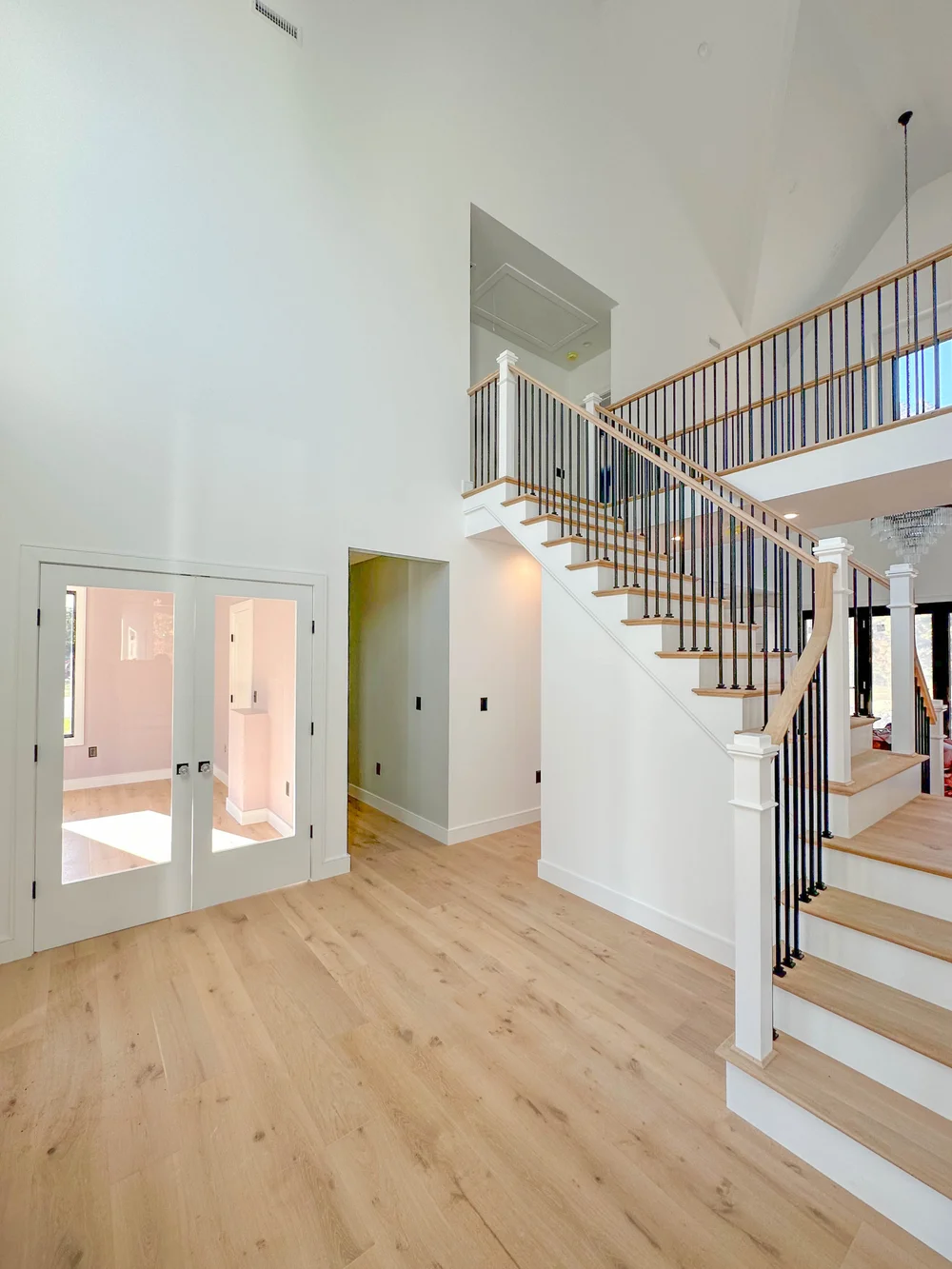
Another tactic is to present clients with a handpicked array of samples and a portfolio of accomplished projects that exemplify the aesthetic appeal and resilience of sustainable alternatives. This hands-on experience, combined with visual evidence of the end result, can effectively persuade homeowners that environmentally responsible materials need not sacrifice quality or style.
In addition, builders can organize dialogues with manufacturers and suppliers dedicated to green materials, granting clients direct knowledge of the origin, production, and certification processes. Such transparency fosters trust and equips homeowners with the knowledge to make educated choices regarding the materials that will define their living spaces.
In the end, by championing material excellence and sustainability, builders not only foster a healthier planet but also resonate with the values of a growing segment of eco-aware consumers, ensuring that their offerings remain pertinent and in demand within a dynamic industry.
Builders can play a pivotal role in promoting sustainability by collaborating with suppliers committed to green practices. This partnership can lead to innovation in material development and more efficient supply chains. Builders should engage in transparent communication with suppliers to foster long-term relationships grounded in mutual environmental goals.
Establishing comprehensive green procurement policies ensures that builders consistently adhere to sustainable practices. These policies should outline criteria for material selection, supplier evaluation, and compliance with environmental regulations. By doing so, builders not only support sustainability but also mitigate legal risks and enhance their reputation.
To validate the effectiveness of green procurement, builders must measure and report the environmental impact of their material choices. This can include tracking the reduction of greenhouse gas emissions, energy consumption, and waste generation. Quantifiable results not only demonstrate a builder's commitment to sustainability but also inspire industry-wide change.


Builders can ensure the procurement of high-quality and sustainable materials by selecting suppliers who provide eco-friendly options, such as responsibly sourced wood and recycled or upcycled materials. Additionally, they can look for certifications such as FSC for timber or Energy Star ratings for appliances, which indicate adherence to sustainability standards.
Green practices in material procurement offer residential homeowners benefits such as improved energy efficiency, lower utility bills, and a healthier indoor environment. Using sustainable materials can also increase the homes value and provide a sense of contribution to environmental conservation.
Professional builders and developers can communicate their commitment to sustainability by showcasing their use of eco-friendly materials in past projects, detailing their green procurement processes, and emphasizing their collaborations with suppliers who prioritize environmental responsibility. This transparency can help in establishing trust and aligning with trade partners who share similar values.